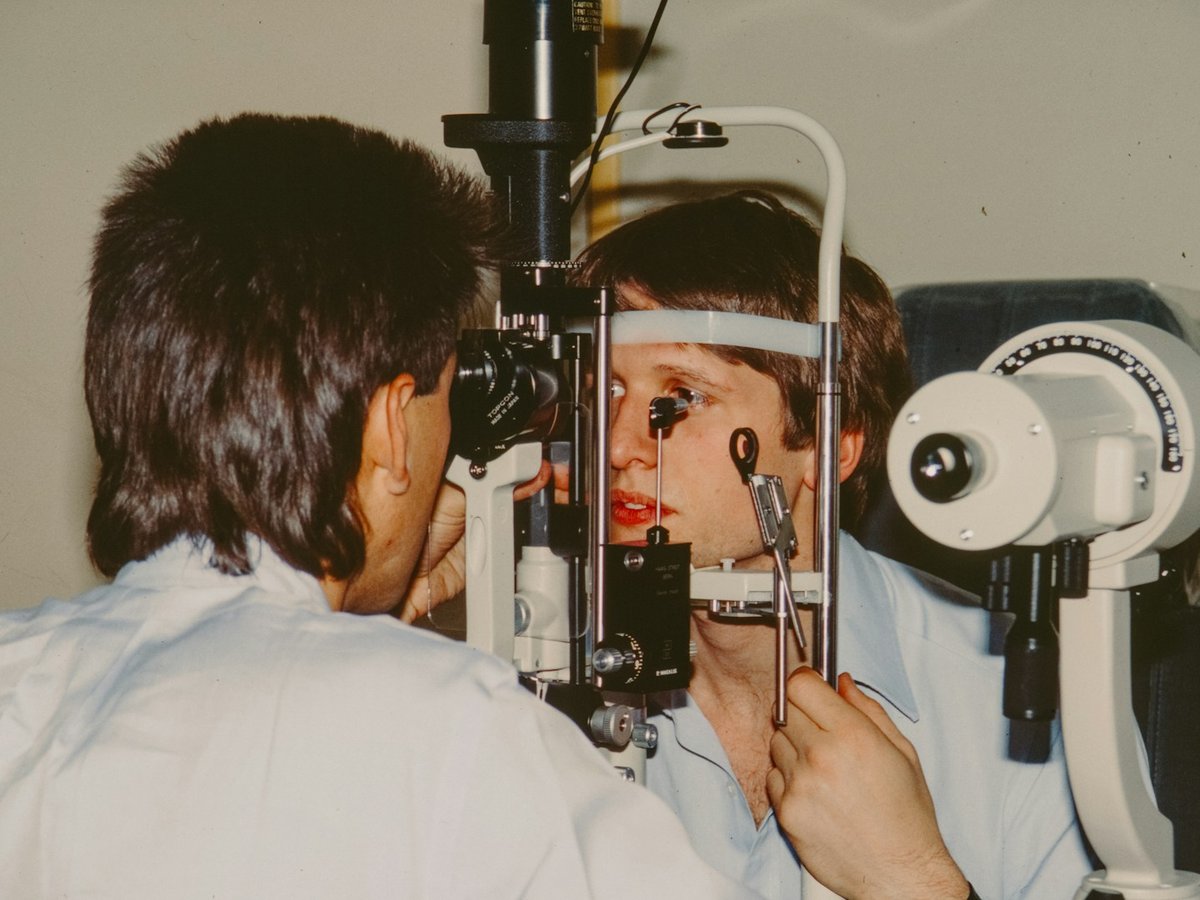
A cataract occurs when the natural lens inside your eye gradually becomes cloudy over time. Cataracts are a natural part of the aging process and remain the leading cause of reversible visual impairment worldwide. With modern ophthalmic surgery, cataract treatment is safe, predictable, and routinely performed as a day-care procedure.
What Causes a Cataract?
Most cataracts develop due to natural age-related protein changes within the lens fibres. However, other contributing factors include prolonged exposure to ultraviolet sunlight, systemic conditions such as diabetes mellitus, previous eye injuries, and the extended use of certain medications like corticosteroids.
Modern Micro-Incision Phacoemulsification
Today, cataract surgery does not require large incisions, general anesthesia, or overnight hospital stays. The gold standard surgical technique is micro-incision phacoemulsification:
- A tiny self-sealing incision (typically 2.2 to 2.8 mm) is created at the corneal margin.
- An ultrasonic probe gently emulsifies and fragments the cloudy natural lens.
- The lens matter is carefully aspirated from the eye.
- A biocompatible artificial intraocular lens (IOL) is folded and implanted into the natural capsular bag.
Types of Intraocular Lenses (IOLs)
Selecting the right intraocular lens is a tailored medical decision based on your ocular anatomy, visual needs, and lifestyle requirements:
| Lens Category | Primary Benefit | Spectacle Independence |
|---|---|---|
| Monofocal IOL | Provides sharp, high-contrast distance vision | Reading glasses needed for near work |
| Toric IOL | Corrects pre-existing corneal astigmatism | Reduces dependence on cylindrical glasses |
| Multifocal / EDOF IOL | Provides extended depth of focus for both intermediate and distance | High level of day-to-day spectacle independence |
Post-Operative Recovery Guidelines
Most patients notice improved visual clarity within 24 to 48 hours following surgery. Complete biological healing typically takes between three to four weeks. Important precautions during the recovery phase include:
- Administer prescribed antibiotic and anti-inflammatory eye drops strictly as directed.
- Wear the protective eye shield during sleep for the first week to avoid inadvertent eye rubbing.
- Avoid splashing unboiled tap water into the operated eye for two weeks.
- Refrain from heavy weightlifting and strenuous exercise for two to three weeks.
If you experience any sudden decrease in vision, increasing redness, or persistent pain, contact your ophthalmologist or nearest eye emergency facility immediately.