LASIK and vision correction: life with less dependence on glasses
If you are tired of glasses or contact lenses for near, far or astigmatic vision, modern refractive procedures can help. Most people aged 18 and older with a stable glasses prescription and healthy eyes are suitable candidates for LASIK, PRK (surface laser) or ICL (implantable contact lens). [R4][R5]
Written by Dr. Praveen Kumar, MBBS, DO, DNB, FRCS (Glasgow)Medically reviewed by Dr. R. K. Rasmi Praveen, MBBS, MSLast reviewed 24 September 2026
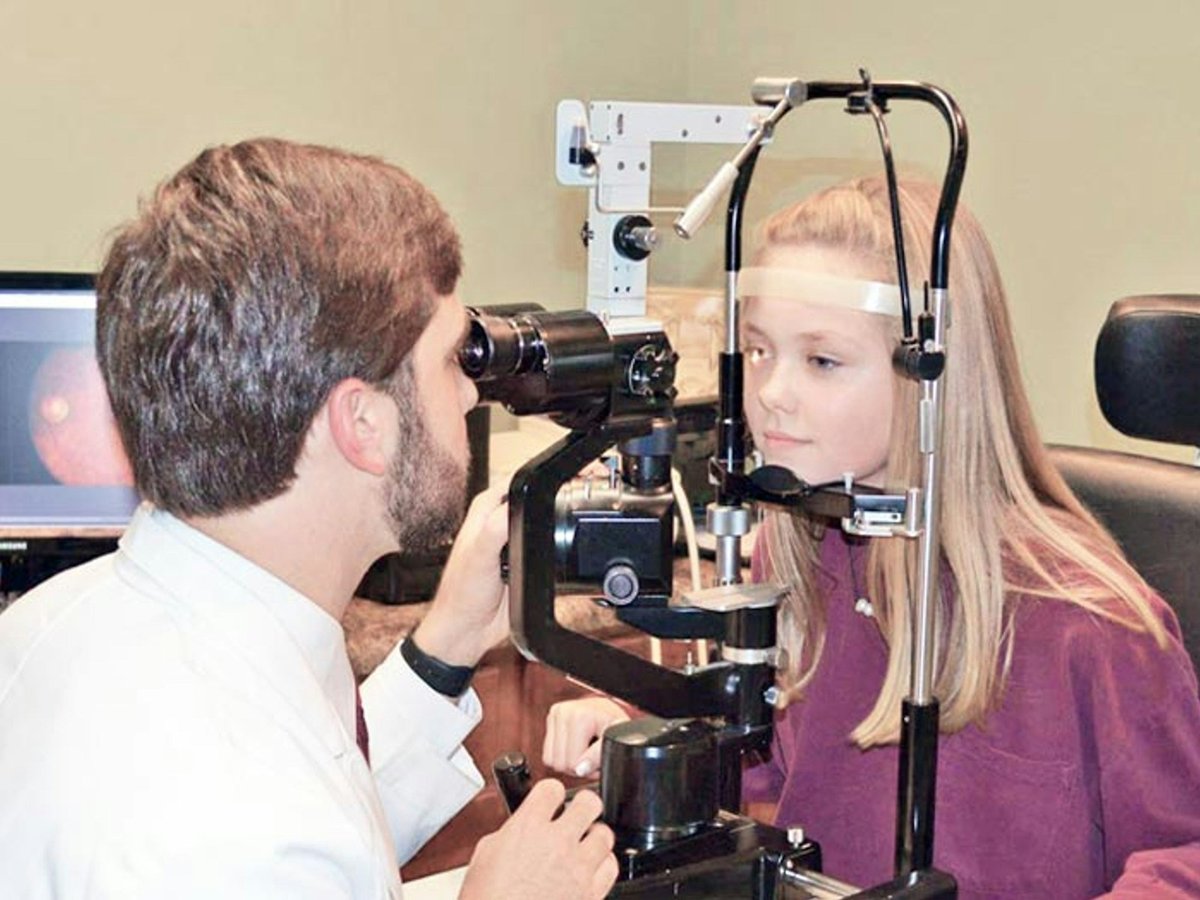
Comprehensive pre-procedure corneal and refractive evaluation at Dr. Anil Kumar's Eye Hospital
Evaluation duration
1–2 hours
Anaesthesia
Numbing eye drops; you stay awake
Time in room
About 10–15 minutes
Return to work
Often within a few days (LASIK); about a week (PRK)
On this page (quick navigation)
Who vision correction can help
Vision correction is for adults who want to rely less on glasses or contact lenses — for work, sport, travel, or simply waking up and seeing the clock. After LASIK, most people manage most of their daily activities without glasses. [R4] It doesn't stop the natural change that comes with age: most people still need reading glasses in their forties or later. [R6]
Is it right for you?
You may be suitable if you:
Are 18 or older
Have had the same glasses or contact-lens power for at least a year
Have healthy eyes — no active infection, significant dry eye, keratoconus, glaucoma or cataract
Are not pregnant or breastfeeding
Want less dependence on glasses, and understand this isn't a promise of perfect vision
Please tell us if you:
•Have diabetes, an autoimmune condition, or take medicines that affect healing
•Have a job with rules about eye surgery (for example the armed forces, police or aviation) [R5]
•Play contact sports such as boxing, wrestling or martial arts — PRK or ICL may be safer for you [R5]
Based on guidance from the US Food and Drug Administration and the US National Eye Institute. [R4][R5]
Your evaluation
The evaluation takes one to two hours and is usually done a day or more before treatment. If you wear soft contact lenses, stop wearing them for the period we advise beforehand, because lenses can change the shape of the cornea.
What we check
Your glasses power, with and without dilating drops
The shape and thickness of your cornea (corneal topography and tomography)
Your pupil size in dim light
Your tear film, for dry eye
The retina, including its outer edge, after dilating the pupil
A scan of the front of the eye (anterior-segment OCT) when ICL is being considered
At the end, your surgeon will tell you which options are safe for your eyes, which aren't, and why. There is no obligation to go ahead.
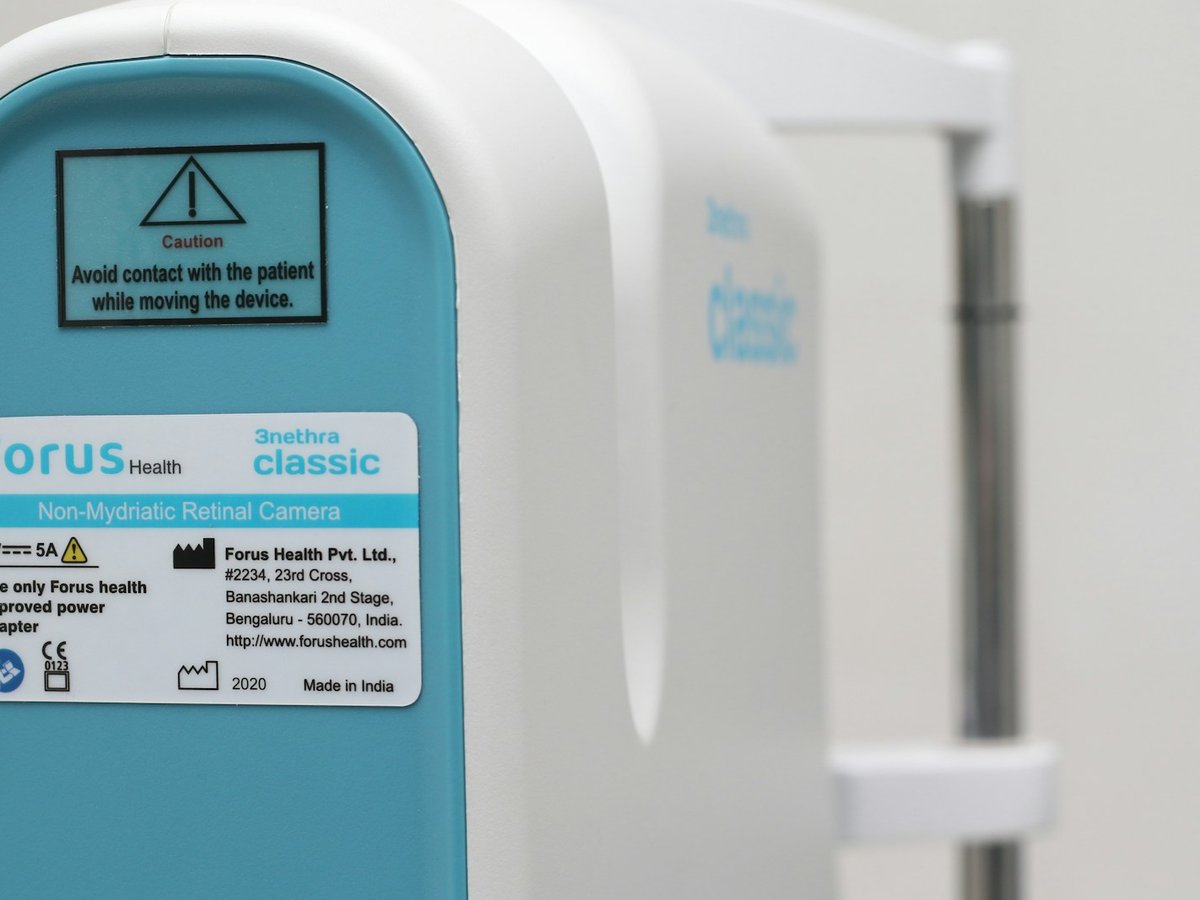
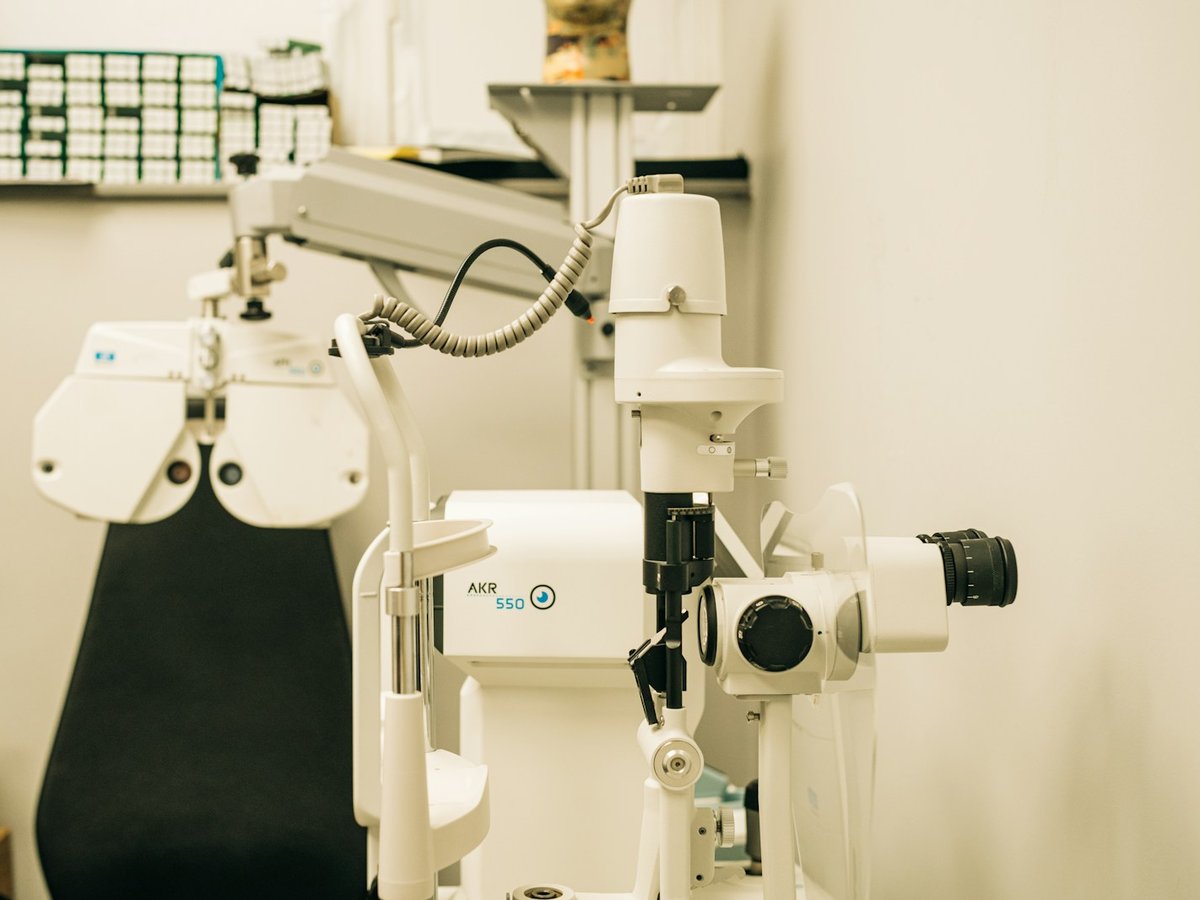
Precision ophthalmic imaging equipment at Dr. Anil Kumar's Eye Hospital
Your options
There are three main ways to correct your vision. The right one depends on your cornea, your power and your lifestyle.
1. LASIK
A thin flap is made on the surface of the cornea, a laser reshapes the tissue beneath it, and the flap is laid back, where it seals without stitches. Vision is blurry at first and usually improves over the next few days; complete healing takes two to three months. [R4] At our centre, the flap is made with a microkeratome.
2. PRK and TransPRK
Instead of a flap, the thin surface layer of the cornea is removed — gently by hand in PRK, or by the laser itself in TransPRK — and the cornea is reshaped directly. A soft bandage contact lens protects the eye while the surface heals over several days. There's no flap, which can make it a better choice for thinner corneas or for people in contact sports. [R4]
3. Implantable contact lens (ICL)
An ICL is a very thin lens placed inside the eye, in front of your natural lens, through a tiny opening. It suits high powers, or corneas too thin for laser treatment, and it can be removed or exchanged if needed. Because the lens is made to your measurements, there is a short wait after your evaluation. Like any surgery inside the eye, it has risks — including raised eye pressure, cataract, loss of cells from the inner surface of the cornea, retinal detachment and infection — which your surgeon will discuss with you. [R4][R14]
Scroll table horizontally to compare all options →
Comparison of vision correction procedures
Procedure
How it works
Best for
Not suitable if
Recovery
LASIK
A thin corneal flap is made, laser reshapes tissue beneath, flap is repositioned
Most short-sighted and astigmatic eyes with healthy, thick cornea
Thin or irregular corneas, keratoconus, significant dry eye
Quick — many people back at a desk within a few days
PRK & TransPRK
Surface layer removed, cornea reshaped directly, protected by bandage lens
Thinner corneas, contact sports, careers that restrict flaps
Keratoconus, active eye infection or disease
Slower, more uncomfortable first few days — plan ~1 week off work
Implantable contact lens (ICL)
Very thin lens placed inside the eye in front of natural lens; removable
High powers, thin corneas, people not suited to laser treatment
Shallow front chamber of eye, pre-existing glaucoma
Usually one eye at a time; vision often clears in a day or two
If you have keratoconus
Keratoconus is a condition in which the cornea thins and bulges into a cone, blurring vision in a way that glasses struggle to correct. Laser vision correction isn't suitable for an eye with keratoconus.
Corneal collagen cross-linking (C3R) uses riboflavin drops and ultraviolet light to strengthen the cornea; it is the treatment shown to halt progression, although it doesn't reverse changes that have already happened. [R7]
Numbing drops are used and you stay awake, looking at a small light. The laser itself usually works for less than a minute per eye; with preparation, you'll be in the treatment room for roughly 10–15 minutes for both eyes. Someone should take you home, and we recommend resting your eyes for the rest of the day.
Clinical treatment suite at Dr. Anil Kumar's Eye Hospital
Recovery
Use your drops as prescribed, and don't rub your eyes.
Wear the protective shield at night for as long as we advise.
Avoid swimming, dust, smoke and eye make-up until we say it's safe.
After LASIK, many people are back at a desk within a few days; after PRK, plan about a week off.
Screens are fine in moderation — take regular breaks.
Vision can fluctuate for a few weeks. Dryness and night-time glare are common at first and usually settle over the following months. [R4]
Your first check-up is the next day; your surgeon will schedule the rest.
Risks and limitations
Most people are happy with their result, but every procedure carries risks. They include: [R4][R6]
Dry eyes, sometimes lasting months
Glare, rings or starbursts around lights at night
Under- or over-correction, so that glasses or a second treatment are still needed for some tasks
Problems with flap healing (LASIK) or slow surface healing (PRK)
Infection, which is rare
Rarely, a loss of sharpness that glasses cannot fully restore
Vision correction doesn't prevent reading difficulty with age, cataract or glaucoma later in life. [R6]
After treatment: call us straight away if
Your eye becomes more painful, your vision gets worse, redness or discharge increases, or your eye is hit or rubbed hard. [R4]
The cost depends on the procedure your eyes need — LASIK, PRK or ICL — and whether one or both eyes are treated. We give you a written estimate after your evaluation. Most health-insurance policies don't cover vision correction done only to reduce dependence on glasses. [R5]
Questions patients ask
Is LASIK permanent?
The reshaping is permanent, but your eyes still change with age. Most people need reading glasses later in life, and a few need a small touch-up treatment. [R4][R6]
Does it hurt?
Numbing drops are used, so most people feel pressure rather than pain. Your eyes may sting or water for a few hours afterwards.
I've been told my cornea is thin. Is there another option?
Possibly. PRK or an ICL may be suitable. Your evaluation will show which, if any, is safe for you.
My power is very high — around −10. Can I still be treated?
Very high powers are often better treated with an ICL. The thickness and shape of your cornea will decide.
Can I have it while pregnant or breastfeeding?
We advise waiting, because hormonal changes can alter your glasses power and affect healing. [R5]
Will it affect a job in the police, armed forces or aviation?
Rules differ between services and change over time, so please check your recruitment rules before treatment. We can give you a certificate describing the procedure and your results. [R5]
Can both eyes be done on the same day?
LASIK and PRK are usually done on both eyes in one session. ICL is often done one eye at a time.