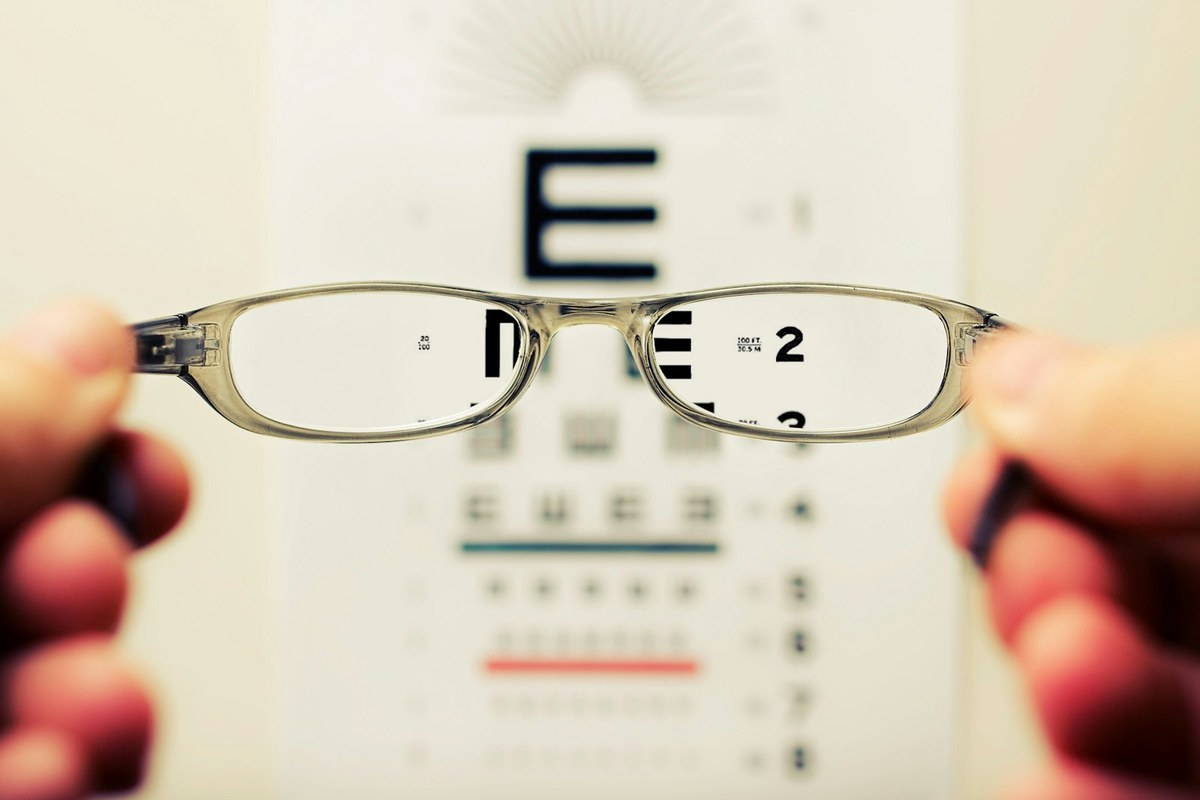
Lenses we offer
- Single-vision lenses: for short sight, long sight or astigmatism.
- Bifocal lenses: two powers, for distance and reading, with a visible line.
- Progressive lenses: a smooth change from distance to reading, with no line.
- Lenses for computer work: set for your screen distance.
- Myopia-control lenses for children: designed to slow short sight getting worse.
Slowing short sight in children
Short sight (myopia) often gets worse through childhood and the teenage years. Ordinary glasses correct the blur but don't slow it down. Specially designed spectacle lenses, and low-dose atropine eye drops, can slow its progress in many children. [R24] Our children's eye specialist will advise whether they suit your child. Time spent playing outdoors each day also helps.
Glasses: myths and facts
- Wearing glasses makes your eyes weaker: No. Glasses help you see clearly; they don't change your eyes.
- Wearing the wrong glasses damages your eyes: They may cause headaches or blur, but they won't harm your eyes. Still, the right prescription makes you comfortable.
- Eye exercises can replace glasses: Exercises don't change the shape of the eye, which is what causes most need for glasses.
- All dark sunglasses protect your eyes: Protection comes from UV filtering, not darkness. Check that lenses block UV.
We stock frames and lenses from international and Indian brands, including our in-house iTrends store.
When to get help urgently
Always wear certified eye protection when working with tools, chemicals, agricultural machinery, or around fireworks.
Who treats opticals here
Dr. Praveen Kumar
Consultant Ophthalmologist
Questions patients ask
How often should glasses be checked?
Adults should have their glasses prescription checked every 1 to 2 years; children should be checked every 6 to 12 months.
What are progressive lenses?
Progressive lenses provide clear vision at all distances — distance, computer, and reading — with no visible dividing line on the lens.
References
[R24] International Myopia Institute (IMI) Clinical Management Guidelines; American Academy of Ophthalmology, Refractive Errors Summary.