Children's eyes and squint: helping children see, and grow, with confidence
Children rarely complain about their eyesight. They assume everyone sees the world the way they do, so eye problems in childhood are often noticed late. Our children's eye service is led by Dr. R. K. Rasmi Praveen, who trained in paediatric ophthalmology and squint at Narayana Nethralaya, Bengaluru.
Written by Dr. R. K. Rasmi Praveen, MBBS, MSMedically reviewed by Dr. Praveen Kumar, MBBS, DO, DNB, FRCS (Glasgow)Last reviewed 24 September 2026
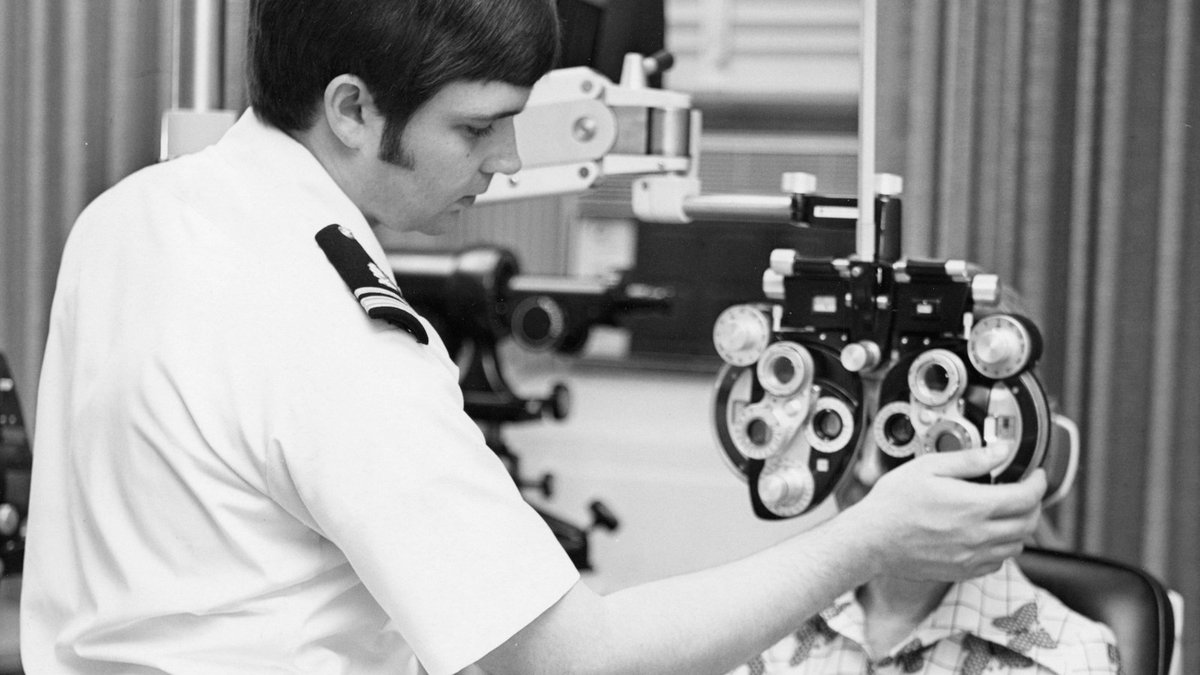
Pediatric ophthalmic evaluation and gentle vision testing at Dr. Anil Kumar's Eye Hospital
Time for visit
about 2 hours
Anaesthesia
General anaesthesia; your child sleeps through it
Hospital stay
Usually same-day discharge
Return to school
Most children return to school in about a week
On this page (quick navigation)
When to bring your child for an eye check
Book an eye examination if your child:
has an eye that turns in, out, up or down — all the time, or only when tired
tilts or turns their head to look at things, or closes one eye in sunlight
holds books or phones very close, or sits close to the television
rubs their eyes often, or complains of headaches, blurred or double vision
has a white or unusual reflection in the pupil in photographs
has had a watering or sticky eye since birth
was born early or with a low birth weight
has a parent, brother or sister with a squint, lazy eye or high glasses power
Important: A white reflection in the pupil, a squint that appears suddenly, or a baby who does not follow faces needs an appointment within days, not months.
Occasional drifting of the eyes is normal in the first few months of life. A squint that continues after that, or appears later, should always be checked — children don't reliably grow out of it.
What we treat
Comprehensive pediatric eye care delivered in a gentle, child-centred environment:
Squint (strabismus)Lazy eye (amblyopia)Glasses for childrenSlowing short sight (myopia control)Cataract in childrenGlaucoma in childrenBlocked tear ducts in babiesROP screening for premature babies
Squint (strabismus)
In a squint, the two eyes point in different directions. One eye may turn inwards (esotropia), outwards (exotropia), or upwards or downwards. It may be there all the time, or come and go. Common causes include uncorrected long sight, poor coordination between the eye muscles, and poor vision in one eye from another problem such as a cataract. That’s why every child with a squint needs a full eye examination, not just a look at the eyes’ position. [R8]
Gentle visual acuity and ocular alignment assessment at Dr. Anil Kumar's Eye Hospital
Lazy eye (amblyopia)
When one eye sends a blurred or misaligned picture, the young brain learns to ignore it, and that eye’s vision doesn’t develop properly. This is called amblyopia, or lazy eye. It can be caused by a squint, by a big difference in glasses power between the two eyes, or by a cataract. Treatment works best when it starts early in childhood; older children and adults respond less well. [R8]
Squint vs. Lazy eye: understanding the difference
Parents often wonder if squint and lazy eye are the same condition. While one can cause the other, they require different approaches:
← Scroll horizontally to compare details →
Feature
Squint (Strabismus)
Lazy Eye (Amblyopia)
What it is
An alignment problem where the eyes do not point in the same direction.
A vision problem where the brain ignores the picture from one eye.
Is it visible?
Yes — the eye turn can be seen by parents and teachers.
Often no — the eye usually looks completely normal from the outside.
Common causes
Eye muscle imbalance, uncorrected long sight, or nerve signals.
Untreated squint, unequal spectacle power between eyes, or cloudiness.
Treatment approach
Glasses, eye exercises, and surgery to straighten the eye muscles.
Glasses first, then patching or blurring drops for the stronger eye.
Time sensitivity
Alignment can be improved at any age, but earlier promotes 3D depth perception.
Urgent: Responds best before age 7–8 while visual cortex is still wiring.
How squint and lazy eye are treated
Treatment follows a structured, stepwise order designed to give your child clear vision first:
1
Glasses, if your child needs them
Glasses alone can straighten some squints (accommodative squints), and clear vision is the essential foundation for lazy-eye treatment. [R8]
2
Strengthening the lazy eye
We patch the stronger eye for a set time each day, or use atropine drops that gently blur the stronger eye so the weaker one has to work. [R8] We’ll tell you how many hours a day and for how long, and check progress at regular visits.
3
Squint surgery, if it’s still needed
When glasses and lazy-eye treatment have done all they can and the eyes are still not straight, a short operation adjusts the eye muscles on one or both eyes to align them.
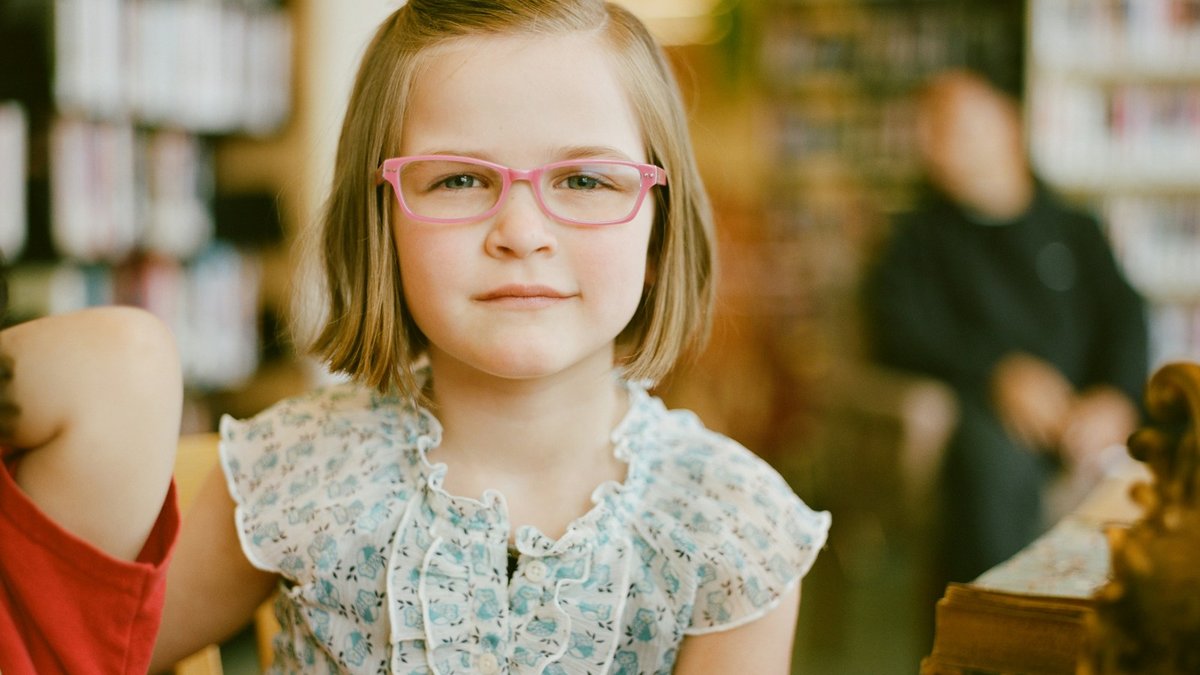
Prescription glasses tailored specifically to children's facial anatomy and visual needs
Babies born early: ROP screening
Retinopathy of prematurity (ROP) affects the developing blood vessels at the back of a premature baby’s eye. It shows no signs from the outside in its early stages, and it can be treated if it is found in time. India’s national guidelines recommend screening for babies born before 34 weeks, or weighing less than 2,000 grams at birth, and for babies born at 34–36 weeks who needed oxygen, breathing support or treatment for a serious infection. The first check is usually 4 weeks after birth — or at 2–3 weeks for babies born before 28 weeks or weighing under 1,200 grams. [R9]
If your baby is in a newborn unit, ask the paediatrician whether ROP screening has been arranged. We can examine your baby after discharge and arrange treatment if it's needed.
We know medical visits can make children and parents nervous. Here is what to expect so your family can feel completely prepared:
Allow about 2 hours
Eye drops take time to work, and we never rush a child.
Bring what you have
Your child's glasses, earlier prescriptions, and the discharge summary if your baby was born early.
No reading needed
Young children don't need to know letters — we measure vision with picture charts, lights and toys.
About the drops
They may sting for a moment, and blur vision and make light feel bright for a few hours. Bring a cap or sunglasses.
Gentle pressure checks
A small handheld device (iCare) checks eye pressure without drops touching the eye.
Squint surgery: what to expect
Children have squint surgery under general anaesthesia, so your child sleeps through it, and it is usually a same-day procedure. [R15] The eye feels scratchy and sore for a few days, and redness can take a few weeks to fade completely. [R15] Most children are back at school within about a week. Glasses and lazy-eye treatment often continue after surgery, and sometimes a second operation is needed.
Your surgeon will talk you through the risks, including the squint being under- or over-corrected, short-lived double vision, infection and the risks of anaesthesia.
Bring your child in the same day if:
your child has a painful red eye with reduced vision, an eye injury, or a sudden new squint with headache or unusual drowsiness. If something has pierced the eye, don’t remove it and don’t press on the eye — cover it gently and go to an emergency department. [R13]
Not reliably. Brief drifting in the first months of life is normal, but a squint that continues should be checked. [R8]
When should my child have their first eye examination?
Any time you're worried. Otherwise, before starting school is a good time — and earlier if a parent, brother or sister has a squint or high glasses power.
Does a school screening camp replace a full examination?
No. Screening picks out children who need a full examination; it doesn't replace one.
Will glasses make my child's eyes weaker?
No. Glasses help the eyes develop clear vision. Stopping them too early can undo progress.
Can my child's short sight be slowed down?
In some children, specially designed spectacle lenses and low-dose atropine drops can slow it down. Ask about this at your visit. See opticals →
Does my child need blue-light glasses?
They aren't needed to protect the eyes. Regular breaks from screens and time playing outdoors matter more.
My baby's eye waters and gets sticky. What should I do?
A blocked tear duct is common in babies, and about nine in ten clear up on their own during the first year. Firm downward massage over the inner corner of the eye can help — we'll show you how. If it hasn't improved by 12 months, or it's troublesome, a short procedure called probing may be advised. [R16] Watering eyes →
[R9] National Guidelines for Screening and Management of Retinopathy of Prematurity (ROP) in India — Ministry of Health and Family Welfare, Government of India, 2017.
Helping your child see clearly and grow with confidence.
Early diagnosis and gentle care make all the difference in childhood sight. Our fellowship-trained pediatric eye specialists in Madurai and Sivakasi are here for your family.